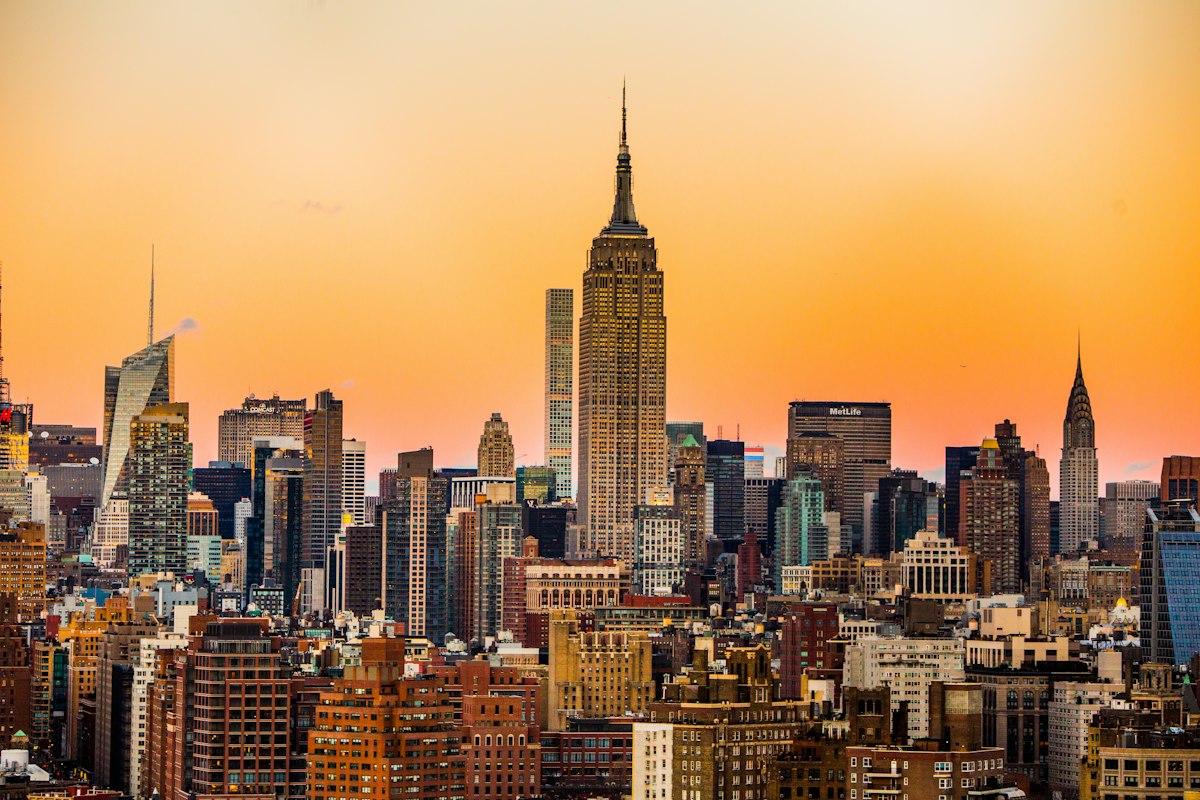
Three days in New York City is enough to taste the magic, though you'll leave wanting more. Whether you're a first-time visitor or returning after years away, this itinerary strategically combines iconic Midtown attractions, waterfront exploration, and world-class culture without the tourist trap exhaustion. You'll hit the biggest names—Empire State, Brooklyn Bridge, Central Park—while discovering the neighborhoods that make NYC genuinely feel alive.
We've designed this plan to be flexible. Mix and match based on your interests, energy levels, and budget. And yes, we've included money-saving tips throughout because experiencing the best of NYC doesn't require spending like a hedge fund manager. Ready? Let's go.
Before You Go: Essential Planning Tips
A little prep transforms your trip from chaotic to confident. New York moves fast—you'll need a transit strategy, advance bookings for popular attractions, and an energy management plan.
Get an OMNY Card or MetroCard
The subway is your lifeline. An unlimited 7-day MetroCard costs $33 and includes unlimited subway and bus rides. Alternatively, use OMNY (Optimization of Metropolitan New York), which lets you tap your credit card or phone. With OMNY, you avoid buying a card, but track your spending—if you take 12 subway rides, get a 7-day pass instead. Download the MYmta app to plan subway routes and check service updates (there's always construction somewhere).
Book Key Attractions in Advance
Empire State Building, 9/11 Memorial Museum, and Statue of Liberty cruises sell out or have long waits. Book tickets through GetYourGuide to skip lines and often pay less than walk-up rates. Plan to grab these confirmations today if your trip is in the next 3 weeks.
Bring Comfortable Shoes—Non-Negotiable
You'll walk 20,000+ steps daily. Invest in comfortable, broken-in shoes with good arch support. Blisters are the third-leading cause of ruined vacations (after weather and food poisoning). Save the fashion footwear for evening dining.
Download Offline Maps
WiFi in the subway is spotty. Download Google Maps for offline use—then you can navigate even in tunnels. Your phone stays charged longer without constantly searching for signal.
From portable chargers to travel adapters, we've curated NYC travel essentials on Amazon to keep you comfortable and connected.
Browse NYC Travel EssentialsDay 1: Midtown Icons & Manhattan Highlights
Theme: Iconic Skyline & History. Transport: Subway (E, D lines)
Morning: Times Square & Theater District (8:00 AM - 10:30 AM)
Start early to beat crowds. Times Square feels less overwhelming before 10 AM. Walk through the bright chaos, snap a photo (the TKTS red stairs are iconic), then escape into the side streets. Grab coffee from Joe Coffee or Café Grumpy. Skip the chain restaurants—tourist traps abound here. Pro money-saving tip: Tourist-targeted restaurants in Times Square charge double. Walk two blocks east or west for actual New York prices.
Mid-Morning: Empire State Building Observatory (10:30 AM - 1:00 PM)
The Empire State Building remains NYC's most recognizable icon for good reason. Pre-book skip-the-line tickets—waiting can eat 45 minutes. Head to the 86th floor (outdoor, full views) then the 102nd floor (indoor, closer to sky). The view extends 80 miles on clear days. Optimal timing: arrive mid-morning when it's not yet crowded, but the sun position is good for photos.
Pre-book tickets to bypass the entry queues and guarantee your spot at the most iconic observation deck in the city.
Afternoon: 9/11 Memorial & Museum (1:30 PM - 4:00 PM)
Take the E line subway downtown (about 20 minutes). The 9/11 Memorial Museum is profoundly moving—plan 2.5 hours minimum. The reflecting pools sit where the Twin Towers once stood. The museum below documents the events and aftermath with respect and clarity. This isn't a "quick tour"—it demands emotional bandwidth. Many visitors find it the most meaningful part of their NYC trip.
Book timed entry tickets in advance to skip queues and ensure entry during your preferred time slot.
Evening: Lower Manhattan & Dinner (5:00 PM - 9:00 PM)
Walk through Lower Manhattan. Stone Street (NYC's oldest street) has excellent restaurants and a neighborhood vibe. Consider Schnitzel House for upscale Viennese, or Ulysses Folk House for more casual Irish pub food. If you're hungry now, grab a Shake Shack burger (honest confession: overrated, but iconic) or a Sweetgreen salad to fuel your last hours.
Budget for Day 1: Subway pass $5, Empire State $44, 9/11 Museum $35, meals $45-80. Total: $129-164 (budget option) or $180-250 (mid-range with better restaurants).
Day 2: Brooklyn Bridge, DUMBO & the Waterfront
Theme: Neighborhoods & Instagram Moments. Transport: Subway (A, C lines) + walking
Morning: Walk the Brooklyn Bridge (8:30 AM - 10:30 AM)
The Brooklyn Bridge walk is non-negotiable. Start from the Manhattan side (near City Hall). Walk during morning light—photos are better, crowds are smaller. The 1-mile pedestrian path takes 25-40 minutes depending on photo stops. Stop midway for the iconic Manhattan skyline view. This bridge has 135 years of history; soak it in. Cost: Free. Best experience: Sunrise walk (6:30 AM) if you're ambitious.
Late Morning: DUMBO Exploration (10:45 AM - 1:00 PM)
DUMBO (Down Under the Manhattan Bridge Overpass) is Brooklyn's most Instagram-famous neighborhood, but it's genuinely lovely. The real attraction isn't Instagram walls—it's the neighborhood character, cobblestone streets, and waterfront parks. Grab brunch at Balthazar (French bistro, worth the wait) or opt for Juliana's pizza (outstanding Neapolitan style, casual). Walk Washington Street under the bridge—the architecture is beautiful.
Afternoon: Statue of Liberty Cruise (1:30 PM - 5:00 PM)
Board a ferry from Battery Park (skip the official Statue Cruises ferry—GetYourGuide often has better-priced alternatives). You'll sail past Ellis Island, see Lady Liberty up close, and enjoy 360-degree harbor views. The journey includes the Statue, harbor islands, and Lower Manhattan from the water. Most cruises run 45 minutes to 2 hours. Pro tip: Book the afternoon cruise to catch golden hour lighting. Pack snacks—ferry food is pricey.
An alternative to the official ferry with great value and memorable waterfront perspectives of Lady Liberty and the Manhattan skyline.
Evening: Waterfront Dinner & Sunset (5:30 PM onwards)
Return to Battery Park or nearby South Street Seaport for dinner as the sun sets. Pier A Harbor House offers waterfront views and casual American food. Or head back to DUMBO for dinner at Cote (Korean steakhouse) or Gramercy Tavern (upscale American). If you're on a tight budget, grab dinner at Maison Yaki-Niku (reasonably priced Japanese) in Seaport or a bagel from Ess-a-Bagel.
Budget for Day 2: Brooklyn Bridge walk (free), brunch $20-35, harbor cruise $24, dinner $40-80. Total: $84-139 (budget) or $150-250 (mid-range with upscale dining).
Day 3: Central Park, Museums & a Bucket-List Finale
Theme: Culture & Green Space. Transport: Subway (A, B, C, 1 lines)
Morning: Central Park Adventure (8:30 AM - 12:00 PM)
Central Park is 843 acres of green in the middle of Manhattan—explore on foot. Start at the Bethesda Terrace (iconic arched walkway), then walk the Bow Bridge (scenic, photogenic). Picnic Rocks (near 61st Street) offers distant skyline views. Don't visit every corner—Central Park is best experienced by wandering. Grab coffee and a bagel from a cart ($3-5) before entering. If you're visiting in summer, rent a rowboat from the Loeb Boathouse (late May-October). If you prefer structure, consider a guided walking tour (park volunteers often lead free or donation-based tours).
Midday: Museum Visit (12:30 PM - 4:00 PM)
Three museum options based on interest and energy:
- The Metropolitan Museum of Art (open-ended pay-what-you-wish for NYC residents; suggested $28 for visitors): 2 million artworks spanning 5,000 years. One visit barely scratches the surface—pick one wing (Ancient Egypt, Impressionists, American Wing) and dive deep rather than rushing through.
- American Museum of Natural History (admission $33): Massive, fun, great dinosaur collection. Perfect if you enjoy interactive exhibits and science. Plan 3-4 hours.
- MoMA (Museum of Modern Art) (admission $25): World's best modern and contemporary art collection. Smaller than the Met, more manageable in 2 hours.
Insider tip: Most museums are less crowded in late afternoon. Skip the mid-day rush if possible.
Afternoon/Evening: One World Observatory or SUMMIT (4:30 PM - 7:00 PM)
Finish with a second observation deck for variety. The Empire State view is north/uptown. These newer decks offer different perspectives:
- One World Observatory (at Freedom Tower): Tallest building in the Western Hemisphere, 360-degree views, premium experience
- SUMMIT One Vanderbilt: Newest, most Instagram-famous, features "Levitation" outdoor glass boxes suspended over the city. Thrilling and unique.
Book SUMMIT for glass-walled "Levitation" rooms and 360-degree panoramic views from the city's most innovative vantage point.
Book SUMMIT TicketsFinal Evening: Farewell Dinner
Choose based on remaining energy and budget. Options: casual (dive bar + burger, $20-30), mid-range (Italian in Greenwich Village or French bistro in West Village, $60-100), or splurge (Michelin-starred restaurant if you've booked ahead, $150-300+). NYC dining ranges from subway pizza slices ($4) to world-class fine dining. Reservation recommendation: Make dinner reservations for Day 3 before you arrive—walk-ins risk disappointment.
Budget for Day 3: Park activities $5-10, museum admission $25-33, SUMMIT or observatory $40-50, dinner $30-300+. Total: $100-393 depending on choices.
NYC 3-Day Budget Breakdown
What does this trip actually cost? Here's a realistic breakdown across three spending styles:
| Category | Budget Traveler | Mid-Range | Splurge |
|---|---|---|---|
| Accommodation (3 nights) | $90-120/night = $270-360 Hostel or budget hotel in outer boroughs | $150-200/night = $450-600 3-star hotel in Midtown/Brooklyn | $350+/night = $1,050+ 4-5 star hotel, prime locations |
| Food (3 days) | $20-30/day = $60-90 Bagels, pizza, delis, Sweetgreen salads | $45-60/day = $135-180 Mix of casual bistros and nice restaurants | $100+/day = $300+ Fine dining, upscale restaurants, Michelin-starred options |
| Transport | $33 7-day MetroCard unlimited | $33 | $33 or Uber/taxi mix |
| Attractions & Activities | $85-105 Empire State $44, 9/11 $35, Harbor cruise $24, Central Park free, museum pay-what-you-wish | $140-160 All above + MoMA or Met ($25-33), second observation deck ($40-50) | $250+ Premium museum entry, helicopter tour, private guide tours, Broadway show |
| TOTAL PER PERSON | $448-588 $150-196/day | $758-973 $253-324/day | $1,633+ $544+/day |
Money-Saving Hacks Throughout Your Trip:
- Skip chain restaurants in tourist zones. Times Square restaurant pricing is 50% above the city average. Walk 3 blocks away for real prices.
- Eat lunch at nicer restaurants. Fine dining lunch menus cost 30-50% less than dinner at the same restaurant.
- Use OMNY for exact transport costs. Pay-per-ride ($2.90) beats a 7-day pass if you're taking fewer than 12 rides.
- Check NYC's Museum Hours. Some museums offer discounted hours (most run 5-8 PM certain evenings).
- Walk free attractions. Brooklyn Bridge, High Line park, Hudson River Greenway are all free and world-class.
Where to Stay: Best Neighborhoods for First-Timers
Your hotel location shapes your NYC experience. First-time visitors should stay in neighborhoods that are walkable, safe, and convenient to attractions. Here are the best options:
Midtown Manhattan (Times Square / Theater District)
Pros: Central location, close to Empire State Building, most subway lines, walkable to attractions. Cons: Touristy vibe, pricier, more congested. Best For: First-timers who want everything close. Hotels range $150-300+/night depending on quality.
Upper West Side (Near Central Park)
Pros: Quieter than Midtown, direct Central Park access, great museums nearby, brownstone charm. Cons: Further from Lower Manhattan attractions. Best For: Visitors who prioritize neighborhood character and park time. Hotels range $130-250/night.
Brooklyn (DUMBO, Williamsburg, or Park Slope)
Pros: Trendy neighborhoods, excellent restaurants and nightlife, more affordable than Manhattan, hipster cultural vibe. Cons: Requires subway to Manhattan attractions, less traditional NYC feel. Best For: Visitors seeking authentic neighborhood experience. Hotels range $100-200/night.
Lower East Side / East Village
Pros: Walkable to Lower Manhattan, great nightlife and food, bohemian energy, historic neighborhoods. Cons: Can be loud, less family-friendly in places. Best For: Visitors interested in NYC's grittier, artistic side. Hotels range $140-260/night.
Browse availability and prices across all neighborhoods with our Booking.com partnership. Filter by budget, location, and amenities.
Browse HotelsPro Tip: Book accommodation on Sunday-Thursday for better rates. NYC hotels spike in price Friday-Saturday. If your trip is flexible, adjust dates around Midweek Escape offers.